Turning 30, 40, or 50 doesn't mean your birthday invite has to look like a boardroom memo. A loud, playful font on an adult birthday invitation sets the mood before a single guest reads the details. It tells people right away: this party is going to be fun, not formal. Choosing the right typeface can mean the difference between an invite that gets pinned to the fridge and one that gets tossed in the recycling bin.
What exactly are loud playful fonts?
Loud playful fonts are typefaces that grab attention through bold shapes, exaggerated curves, irregular spacing, or cartoon-like styling. They break the rules of traditional typography on purpose. Think chunky bubble letters, hand-drawn brush strokes, or retro display faces with oversized proportions. These fonts are designed to feel energetic, informal, and a little bit cheeky perfect for signaling that a celebration is coming.
For adult birthday invitations specifically, loud playful fonts serve a unique role. Unlike kids' parties where anything goes visually, adult events need fonts that are fun without looking juvenile. The trick is picking typefaces that carry personality while still being readable and age-appropriate.
Why do adults even want playful fonts on birthday invites?
Because most adults are tired of boring invitations. A bold, whimsical font breaks expectations. It tells your guests that this isn't just another dinner it's an event worth showing up for. Playful typography also reflects the personality of the person being celebrated. Someone with a big sense of humor deserves an invite that matches that energy.
There's also a practical reason. A loud font makes the headline pop especially when printed at a smaller size or viewed on a phone screen. Guests scanning their mail or inbox will notice it instantly. That matters when you want RSVPs quickly.
Which fonts actually work well for adult birthday invitations?
Not every playful font fits an adult celebration. Here are some that balance personality with polish:
- Bangers A comic-book-style display font with thick strokes and confident energy. Great for headline text like "You're Invited!"
- Fredoka Rounded, friendly, and warm. Works well for milestone birthdays where you want fun but not chaotic.
- Bubblegum Sans A hand-lettered feel with just enough bounce. Ideal for casual house parties or themed events.
- Luckiest Guy Heavy, blocky, and impossible to ignore. Use it sparingly for the main title only.
- Pacifico A relaxed script font with vintage flair. Good for tropical or summer-themed birthday bashes.
- Permanent Marker Looks like it was written with a Sharpie at full speed. Gives invites a raw, honest vibe.
- Chewy Thick and squished with a playful attitude. Pairs nicely with clean sans-serif body text.
- Boogaloo A quirky display face inspired by hand-painted signage. It brings movement and rhythm to any layout.
- Righteous A retro-styled typeface with geometric roundness. Feels bold but controlled, great for themed decades parties.
- Titan One Massive and impactful. This font demands attention from across the room, making it perfect for headline-only use.
- Modak Heavy and rounded with a fun, almost inflatable look. It brings a playful punch to any invite design.
Each of these can carry the headline of an invitation on its own. The key is using them for short bursts of text your party title, the age milestone, or a catchy tagline and pairing them with a simpler font for details like the date, time, and address.
How do you pair playful fonts without making the invite look chaotic?
This is where most people go wrong. A loud headline font needs breathing room. If every line of your invitation is in a different decorative typeface, the whole thing becomes unreadable.
Use a clean, neutral sans-serif for body text. Fonts like Montserrat, Open Sans, or Lato work well as a counterbalance. The contrast between the playful headline and the clean details creates visual hierarchy your eye goes to the fun part first, then finds the information it needs.
Spacing matters too. Give your bold headline extra letter-spacing and line-height so the characters don't crowd each other. Playful fonts already have busy shapes, so white space is your best friend.
What about color choices?
Bold fonts pair well with bold colors, but don't overdo it. Two or three colors maximum. A bright headline color against a dark or neutral background usually works best. Think hot pink on black, electric blue on white, or gold on deep navy. If your font is already loud, the color palette should support it, not compete with it.
What are the most common mistakes with playful invitation fonts?
There are a few patterns that trip people up:
- Using playful fonts for every single word. This kills readability. Reserve the loud font for the headline or one key phrase.
- Choosing fonts that are too childish. A font that works on a 5-year-old's party invite might look awkward on a 40th birthday card. Test it in context before committing.
- Ignoring print quality. Some decorative fonts have thin strokes or complex curves that don't reproduce well at small sizes or on textured cardstock. Always print a test copy.
- Overcrowding the layout. Playful fonts need space. If you cram too much text into a small card, even the best typeface will look messy. Related fonts for kids' birthday cards sometimes follow different spacing rules what works for a child's invite may feel cramped for an adult design.
- Skipping contrast checks. A neon green curly font on a white background might look fun on screen but become invisible when printed. Always test legibility in the format your guests will actually see.
When should you use loud fonts versus something more refined?
It depends on the party's tone. A backyard BBQ for a 35th birthday? Go loud. A cocktail lounge celebration for a 50th? You might want bolder typography with a more refined edge. The font should match the vibe of the event, not just the age of the person.
Themed parties are where loud playful fonts really shine. Decades parties (70s disco, 80s neon, 90s grunge), costume parties, or anything with a tongue-in-cheek theme practically begs for an expressive typeface. The font becomes part of the theme itself.
Can you mix two playful fonts on one invite?
You can, but proceed carefully. Two playful fonts work when they have different shapes for example, a bold blocky font for the main title and a hand-drawn script for a subheading. Two fonts that are both rounded and bubbly will blur together. Contrast is the rule. If they feel too similar, pick one and let it do the heavy lifting.
Where do you actually find and test these fonts?
Most of the fonts listed above are available on Google Fonts for free, which makes them easy to test in your browser. Creative marketplaces offer extended or alternative versions with extra weights and stylistic options. When designing your invite, tools like Canva, Adobe Express, or even Google Slides let you preview how fonts look together before you commit.
Before you finalize anything, send a draft to two or three trusted friends. Fresh eyes catch readability problems you might miss after staring at the same layout for an hour. That small step saves you from printing 50 invitations nobody can read.
Quick checklist before you print
- Pick one loud playful font for the headline only
- Pair it with a clean sans-serif for all event details
- Limit your color palette to two or three colors
- Print a single test copy on the actual paper stock you plan to use
- Check that the date, time, and location are instantly readable at arm's length
- Ask one person who hasn't seen the design to read it back to you if they struggle anywhere, adjust that section
- Save a version with outlined fonts if sending to a professional printer so nothing gets substituted
Start by picking the headline font that matches your party's energy, build the rest of the layout around it, and test before you print. A great birthday invitation doesn't need to be complicated it just needs to feel like the party it's announcing.
Download Now Bold Party Fonts for Birthday Invitations to Make Your Celebration Stand Out
 Bold Birthday Invite Fonts That Catch Every Eye
 Best Bold Party Fonts for Kids Birthday Cards
 Modern Bold Fonts for Milestone Birthday Celebrations
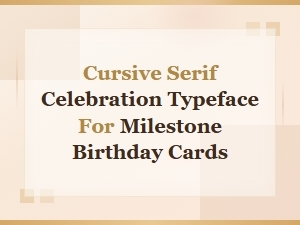 Elegant Cursive Serif Celebration Typeface for Milestone Birthday Cards
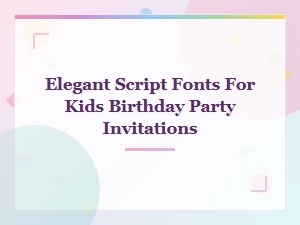 Charming Handwritten Fonts for Kids Birthday Invitations